.svg)
Flood Insurance Quotes
Competitive prices on the coverage you need.



How to Get a Flood Insurance Quote
Enter your address
Tell us where you live and a little about your place: we pull the rest, so you're not digging through paperwork.
Compare quotes
See tiered options - minimum, standard, and enhanced - from 20+ carriers, with what's covered and what's not laid out clearly.
Talk to one local agent
A single licensed HoneyQuote agent guides you to your best policy and coverage. One human who knows your file — not six strangers who don't.
What you’ll need for an accurate quote
- Property address
- First-floor height, and how many floors above it
- Your elevation certificate or declarations page, if you have one
- Year built and square footage
- Flood-mitigation features (elevated utilities, flood vents, pilings)
Here’s What Our Flood Insurance Can Cover for Your Home
Building property
Your home's structure and foundation, rebuilt at replacement cost.
Personal property
Your belongings, bought separately from the structure with its own limit and deductible.
Storm surge and rising water
Coastal surge, tidal overflow, and runoff. The perils your homeowners policy explicitly excludes.
Debris removal
Mud, sand, and wreckage the water leaves behind long after it drains away.
Below-grade systems
Furnaces, water heaters, and electrical downstairs. Covered, where finished space is not.
Loss of use
Hotel, meals, and living costs while you're out. Private policies only — the NFIP excludes it.
Take the guess work out of making sure you have the coverage you need.
See your insurance rates in under 30 seconds.
Shop Average Flood Insurance Rates by State
Bundle Your Flood and Home, and Save
One agent, fewer bills, and a discount for keeping your coverage under one roof.
Bundling gets you a real discount, but the bigger win is having one person — yes, a real live person — who sees your whole picture. Your home, your flood, and your car in one place means nothing slips through the cracks between separate policies. On the coast that matters, because the seam between wind, water, and flood coverage is exactly where claims get denied.
What you can bundle:
Home and flood
Auto and flood
Home, auto, and flood
What Flood Insurance Actually Covers
Every federal flood policy is built from two coverage parts, and the limits are set by law. Here's what each one really means for a coastal home.
Building property
Rebuilds the structure, foundation, electrical, plumbing, furnace, and built-in appliances. The NFIP caps this at $250,000.
Personal property
Your belongings, bought separately with its own deductible. The NFIP caps it at $100,000 and pays actual cash value, not replacement cost.
Valuables sub-limit
Artwork, furs, and jewelry are limited to $2,500 on an NFIP policy. Private carriers go higher.
Loss of use
The NFIP pays nothing toward a hotel or meals while your home is repaired. Private flood commonly does.
Basement rules
Mechanical systems downstairs are covered. Finished walls, flooring, and belongings in a basement are not.
Never covered by either
Pools, decks, patios, fences, landscaping, septic systems, and vehicles sit outside the policy.
Choose How Your Coastal Property Is Covered
A few coverage terms decide what you're actually protected against. Here's what matters before you compare quotes.
NFIP vs. private flood
Every NFIP seller quotes the identical federal rate, so there is nothing to shop. Private carriers price independently and can go past the federal caps.
Replacement cost vs. cash value
Replacement cost rebuilds or replaces at today's prices. The NFIP pays contents at actual cash value (ACV), the depreciated value.
What flood insurance often doesn't cover
Flood policies commonly exclude or limit three things: living expenses while you're displaced, finished basement space, and everything outside the walls.
What Affects Your Flood Insurance Rate
No two coastal homes price the same. Your rate comes down to two things: the property itself, and the person insuring it. Two houses on the same street can sit in different flood zones and pay wildly different premiums, and a home you live in is rated very differently from one you rent out. Here's what actually moves your rate.
Your property
- Flood zone: AE, VE, or X. The single biggest driver, and it can change street to street.
- First-floor height: how high your lowest floor sits above the base flood elevation.
- Distance to water: proximity to the coast, a river, or any other flooding source.
- Foundation type: slab, crawlspace, pilings, or basement. Each is rated differently.
- Replacement cost: what it would cost to rebuild today, not the home's market value.
- Community discounts: towns in FEMA's Community Rating System earn premium reductions.
You and how you use the home
- How you use the property: primary residence, second or vacation home, or rental. Each is rated differently.
- Landlord and rental use: long-term and short-term rentals need different policies and usually cost more.
- Coverage you choose: building only, or building plus contents. Contents is always a separate purchase.
- Your claims history: prior flood claims and any gap in prior coverage affect your rate.
- Deductibles you choose: higher deductibles lower your premium, and building and contents carry separate ones.
- Bundling: pairing flood with home or auto can earn you a discount.
How you use your home changes your policy and your insurance rate
What your flood zone does to your rate
Why coastal homeowners choose HoneyQuote
We don't dabble in flood country. We live here, and every carrier and coverage option we offer is chosen for the water your ZIP code actually sees.
FEMA tells you not to shop, because every NFIP seller quotes the same federal rate. That's true, and it's also only half the market. We put private carriers beside the federal option so you can see where the $250,000 cap stops covering your house, instead of finding out after the water goes down.
We'll tell you in plain language what a policy covers and, just as important, what it doesn't, before you sign anything.
You don't have to figure this out alone. From quote to claim to renewal, you get one named local agent, not a call center and not a chatbot.
Find the policy that protects you.
See your insurance rates in under 30 seconds.
Flood Insurance Quotes: FAQs
Can I get flood insurance quotes online?
Yes, and you should get more than one kind. FEMA's own site says every NFIP seller uses the same pricing, so those quotes are identical by design. HoneyQuote pulls the federal number and private carrier numbers together, then a licensed local agent tells you which one actually fits your house.
How much does flood insurance cost?
Nationally the average NFIP policy runs a little under $1,000 a year, but that average hides everything that matters. Your flood zone, first-floor height, foundation, and distance to water move the number far more than your state does. Two houses on one street can price very differently.
Is flood insurance capped at $250,000?
Federal flood insurance is. The NFIP maxes out at $250,000 on the structure and $100,000 on contents, and contents pay at depreciated value. If your home costs more than that to rebuild — most coastal homes do — private flood is how you cover the gap above the federal ceiling.
Do I need flood insurance if I'm not in a flood zone?
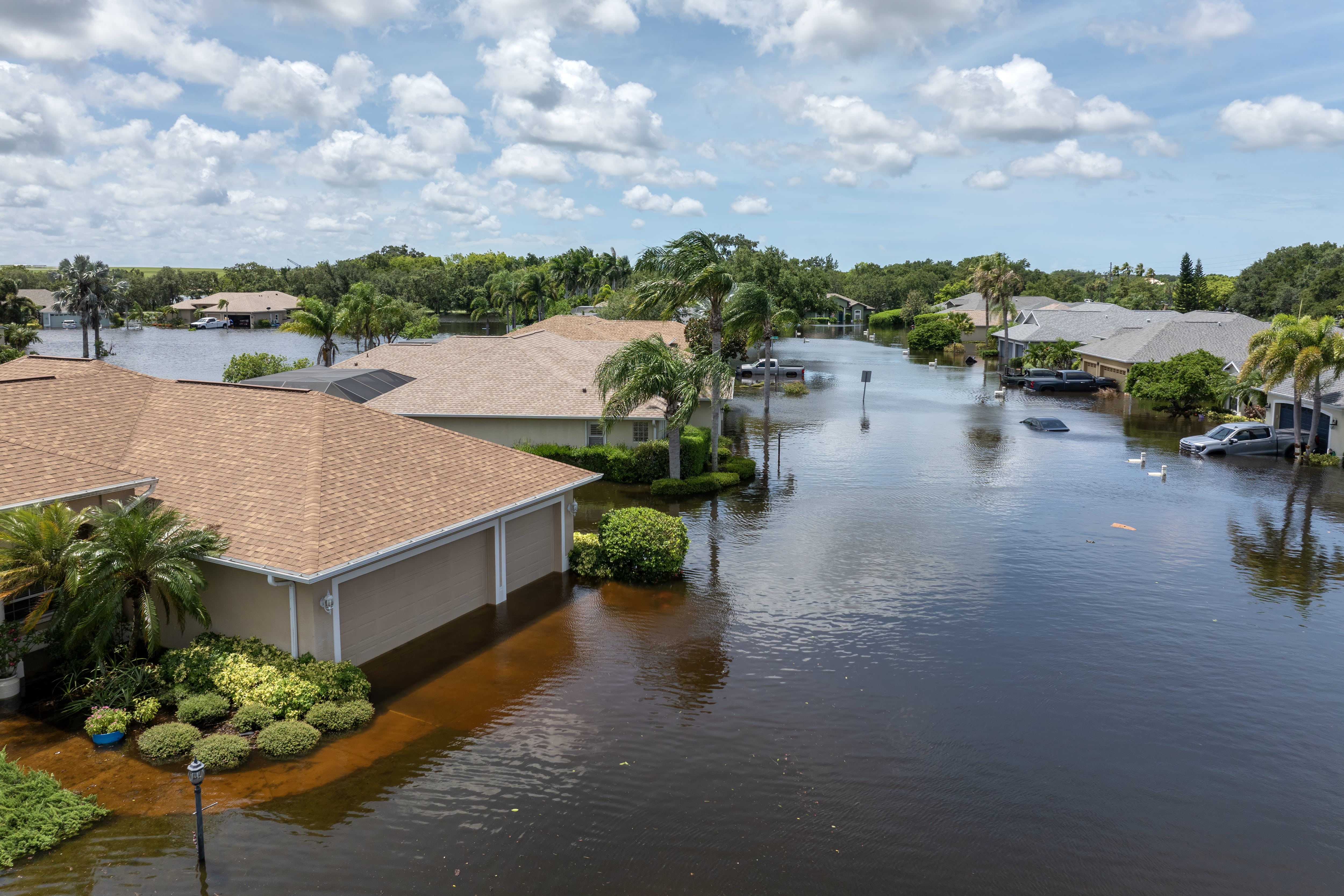
Everywhere is a flood zone; some are just rated lower. About 29% of NFIP claims filed between 2014 and 2024 came from properties outside high-risk areas, and your homeowners policy excludes flood no matter which zone you're in. Outside a high-risk zone it's optional, not unnecessary.
How long before flood insurance takes effect?
NFIP policies take 30 days, with real exceptions: none at all if you're buying in connection with a mortgage closing, and one day if your property was just remapped into a high-risk zone. Private flood is usually faster. Don't wait for a named storm — coverage closes before it arrives.
.png)












Sources
Every rate, average, and comparison on this page comes from HoneyQuote's own book of business — real policies placed for real coastal homeowners, not industry estimates. We publish what we actually see. How we calculate those averages is laid out in our methodology, the underlying numbers live in our research presented through our statistics pages, and if you want to know who's behind them, start with our contributors.
Why You Can Trust Honeyquote
Getting a quote should never cost you your phone number. We're a licensed independent agency, paid by the carrier only when you buy a policy, never for selling your information, because we don't sell it. Our editorial team follows rigorous editorial standards and works independently from the carriers we place with. Learn more about your privacy with Honeyquote.

.svg)


.svg)
.svg)
