.svg)
Mobile Home Insurance
Competitive prices on the coverage you need.



How to Get a Mobile Home Insurance Quote
Enter your address
Tell us where you live and a little about your place: we pull the rest, so you're not digging through paperwork.
Compare quotes
See tiered options - minimum, standard, and enhanced - from 20+ carriers, with what's covered and what's not laid out clearly.
Talk to one local agent
A single licensed HoneyQuote agent guides you to your best policy and coverage. One human who knows your file — not six strangers who don't.
Mobile, Manufactured, or Modular?
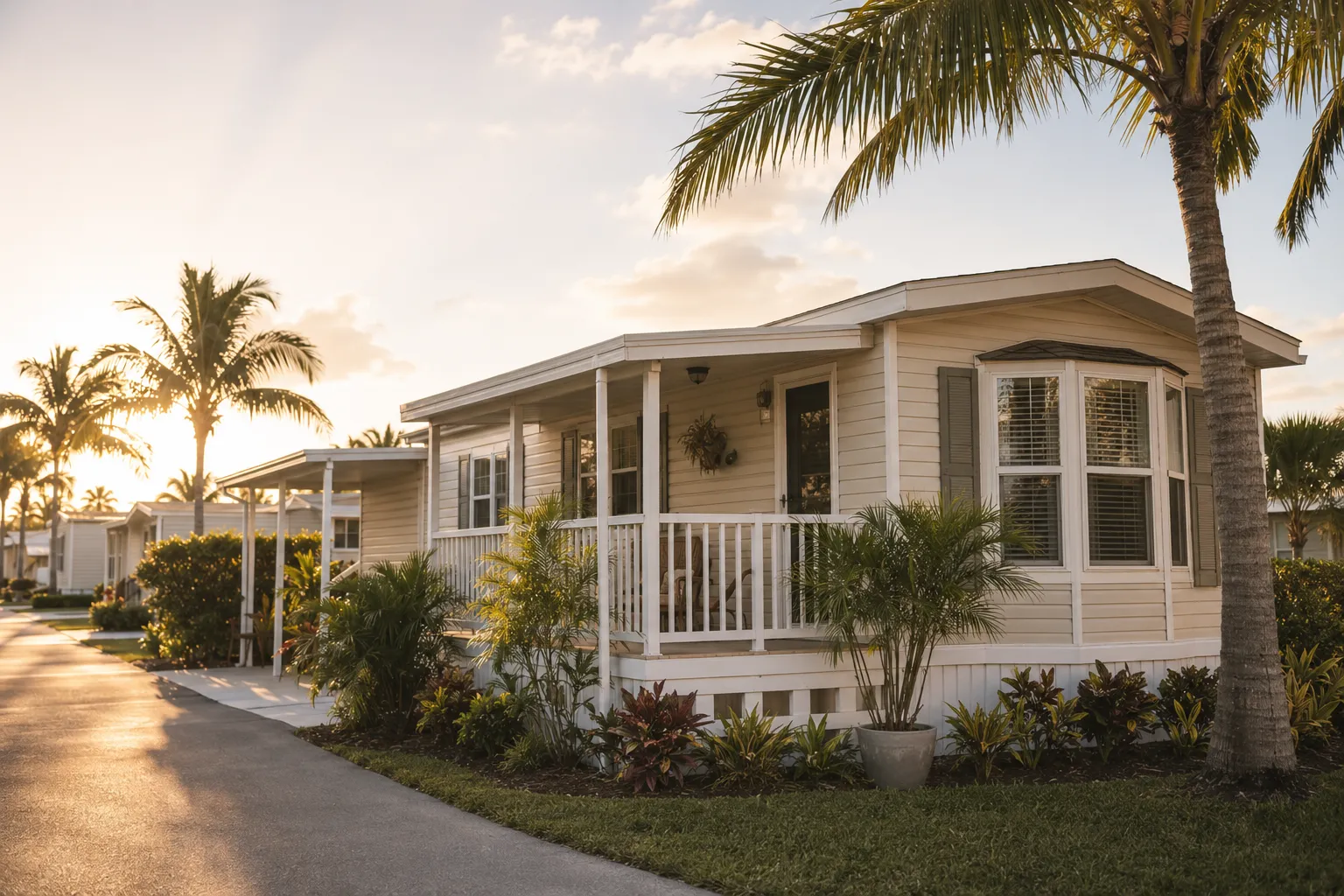
People use these three words interchangeably. Insurers don't, and the word on your paperwork decides which policy you can buy. Here's the difference in plain English.
Mobile home
Technically, a factory-built home made before June 15, 1976, when the federal HUD construction code took effect. Pre-HUD homes are harder to insure and plenty of carriers won't touch them, but "harder" isn't "impossible." We know which ones still write them on the coast.
Manufactured home
The same thing built to the HUD code, 1976 onward, on a permanent steel chassis. Most homes people call mobile homes are legally manufactured homes, and this is what an HO-7 policy is written for. Newer HUD wind-zone standards matter on the coast, so the year on your data plate can move your premium.
Modular home
Also built in a factory, but assembled on a permanent foundation and built to the same local codes as a site-built house. Modular homes are insured with a standard homeowners policy, not a mobile home policy, if that's what you have, start with home insurance quotes instead.
What you’ll need for an accurate quote
- Property address, and whether you own or rent the lot
- Year, make, model, and size (single- or double-wide)
- Roof age, material, and shape
- Skirting, tie-downs, and any recent updates
- Wind-mitigation features (tie-down anchors, straps, storm shutters)
- Your current declarations page, if you have one
Here’s What Our Insurance Can Cover for Your Mobile Home
Dwelling
Your home's structure, rebuilt at replacement cost, not a depreciated payout.
Liability
If someone's hurt on your property, you're covered for medical and legal costs.
Loss of Use
Displaced after a storm? We cover the hotel, meals, and extra living costs.
Wind, Fire & Storm
Hurricane, wind, hail, lightning, fire, and smoke. The perils that actually hit the coast.
Personal Property
Your belongings and valuables, covered inside the home and out.
Flood & Water
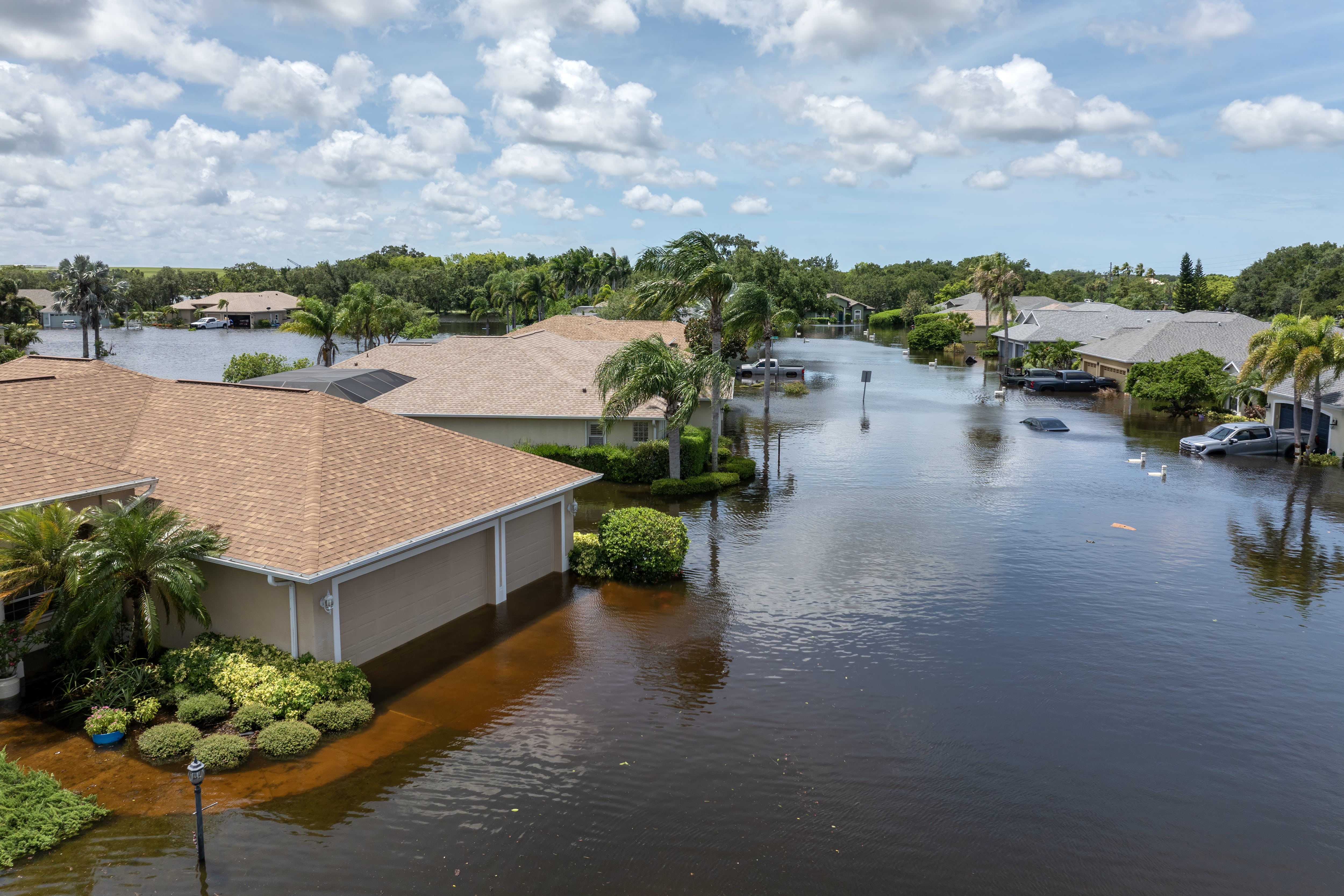
Storm surge, rising water, wind-driven rain. The coverage policies quietly leave out.
Take the guess work out of making sure you have the coverage you need.
See your insurance rates in under 30 seconds.
Shop Average Mobile Home Insurance Rates by State
Bundle your Mobile Home and Auto, and Save
One agent, fewer bills, and a discount for keeping your coverage under one roof.
Bundling gets you a real discount, but the bigger win is having one person who sees your whole picture. Your mobile home, your car, and your flood risk in one place means nothing slips through the cracks between separate policies. On the coast that matters, because the gaps between wind and flood coverage are exactly where mobile home claims get denied.
What you can bundle:
Mobile home and flood
Mobile home and auto
Mobile home, auto, and flood
What Mobile Home Insurance Actually Covers
Most mobile home policies are built from the same six coverage types, and they're lettered A through F on your declarations page. Here's what each one really means for a coastal home.
Coverage A — Dwelling
Rebuilds or replaces the home itself if it's damaged or destroyed. On the coast, insist on replacement cost or agreed loss settlement, the default is often a depreciated payout.
Coverage B — Other Structures
Detached sheds, fences and freestanding carports. Attached items, awnings, screen rooms, attached carports, skirting and decks, are often treated differently and can carry their own sub-limits. Ask which side of that line yours falls on; it’s where wind claims get argued.
Coverage C — Personal Property
Your belongings. Watch the sub-limits: jewelry, art, and valuables are often capped low.
Coverage D — Loss of Use
Hotel, meals and the extra living costs above what you'd normally spend, if a covered loss forces you out.
Coverage E — Personal Liability
Protects you if someone's hurt on your property or you're found responsible for damage.
Coverage F — Medical Payments
Covers smaller medical bills for guest injuries, regardless of fault.
Choose How Your Coastal Mobile Home Is Covered
A few coverage terms decide what you're actually protected against. Here's what matters before you compare quotes.
Named peril vs. open peril
Most mobile home policies are named peril: they cover only the risks listed. Open peril covers everything except what's explicitly excluded.
Replacement cost vs. cash value
Replacement cost replaces at today's prices. Actual cash value (ACV) pays depreciated value, and these depreciate fast.
What coastal mobile home insurance often doesn't cover
Coastal policies commonly exclude or limit three things: wind and hurricane damage, flood, and damage while the home is in transit.
What Affects Your Mobile Home Insurance Rate
No two coastal mobile homes price the same. Your rate comes down to two things: the home itself, and you. Two homes in the same park can pay very different premiums. One has tie-downs, a newer roof and shutters; the other doesn't. A home you live in is rated very differently from one you rent out. Here's what actually moves your number.
Your property
- Location: distance to the coast, windstorm territory, and whether you own the land or rent the lot.
- Size and configuration: single-wide or double-wide, and total square footage.
- Home age and build: year built, HUD-code compliance, and updates to the roof, wiring and plumbing.
- Roof: age, shape and material. Hip roofs generally beat gable roofs on the coast.
- Skirting, anchoring and wind mitigation: tie-down anchors and straps, skirting condition, and storm shutters can all lower your premium.
- Replacement cost: what it would cost to replace the home today, not its market value.
- Other structures and features: carports, sheds, screen rooms and decks add exposure.
You and how you use the home
- How you use the property: primary residence, second or seasonal home, or rental. Each is rated differently (see chart below).
- Landlord and rental use: long-term and short-term rentals need different policies and usually cost more.
- Age of the named insured: many mobile home carriers discount at 50 and over.
- Your claims and coverage history: past claims and any gap in prior coverage affect your rate.
- Insurance score: in most states, credit-based factors play a role in your premium.
- Deductibles you choose: higher deductibles lower your premium. Your hurricane deductible is usually a percentage of your dwelling limit, not a flat amount, 2% on $80,000 of coverage is $1,600 out of pocket before the policy pays. We show yours in dollars on every quote.
- Bundling: pairing your mobile home with flood or auto can earn you a discount.
How you use your mobile home changes your policy and your rate
Why Coastal Mobile Homeowners Choose HoneyQuote
We don't dabble in flood country. We live here, and every carrier and coverage option we offer is chosen for the water your ZIP code actually sees.
We shop 20+ carriers and know which ones still write condos on the coast, down to the endorsements and exclusions. Our team can match you to the policy you need, at a price that's genuinely competitive.
We'll tell you in plain language what a policy covers and, just as important, what it doesn't, before you sign anything.
You don't have to figure this out alone. From quote to claim to renewal, you get one named local agent, not a call center and not a chatbot.
Find the policy that protects you.
See your insurance rates in under 30 seconds.
Mobile Home Insurance Quotes: FAQs
How much is mobile home insurance?
The cost of mobile home insurance varies depending on your zip code far more than on your home, so a national average is close to useless on the coast. Wind exposure, distance to water, roof age and tie-downs move the number more than square footage does. Instead of handing you a range, we price your actual address across every carrier still writing on the coast: a free mobile home quote built on the specific details of your home and matched to your needs and budget, not an average.
Can I insure an older mobile home?
Usually yes, even if another carrier already told you no. Plenty of companies cut off at 1976 or 20 years old, but that’s their appetite, not an industry rule, and we know which carriers still write older homes on the coast, including manufactured home policies designed specifically for pre-HUD-code homes. Send us the year, make and condition and we’ll tell you straight whether there’s a market for it.
What does mobile home insurance cover?
A standard mobile home policy is built from the same six coverages as a standard homeowners policy: dwelling, other structures, personal property, loss of use, personal liability and medical payments to others. It pays for necessary repairs after a covered loss, and it covers you if you’re found liable for someone else’s injury or property damage.
What changes is the fine print. Your policy covers most natural disasters that hit the coast, including hurricane, wind, hail, lightning, fire and smoke, but wind and hurricane usually carry a separate deductible, and flood damage is never included in any home insurance policy, mobile or site-built. Damage while the home is in transit needs its own coverage too. Attached structures like carports, awnings and skirting are handled differently from detached sheds, and the specific details vary depending on the carrier. We read all of it before you buy, and tell you which additional coverages are actually worth adding, so you can get the best insurance quotes available to you.
Is mobile home insurance required?
Mobile home insurance isn’t required by law in any state. But if you have a loan your lender will require it, the same way mortgage lenders require homeowners to carry coverage on a site-built house, and most parks require liability coverage in the lease. The real reason to carry it is simpler: mobile homes take wind damage harder than any other housing on the coast, and a total loss without coverage is a total loss.
Will you share my information with carriers and send me spam calls?
Your information stays with one licensed HoneyQuote agent. We never sell it, share it, or hand your number to a room full of carriers, so getting a quote won't set off the flood of calls, texts, and emails that usually follows an online form. One person, one conversation, zero spam.
.png)











Sources
Every rate, average, and comparison on this page comes from HoneyQuote's own book of business — real policies placed for real coastal homeowners, not industry estimates. We publish what we actually see. How we calculate those averages is laid out in our methodology, the underlying numbers live in our research presented through our statistics pages, and if you want to know who's behind them, start with our contributors.
Why You Can Trust Honeyquote
Getting a quote should never cost you your phone number. We're a licensed independent agency, paid by the carrier only when you buy a policy, never for selling your information, because we don't sell it. Our editorial team follows rigorous editorial standards and works independently from the carriers we place with. Learn more about your privacy with Honeyquote.

.svg)


.svg)
.svg)
